
Understanding PK in Betting: A Complete Guide
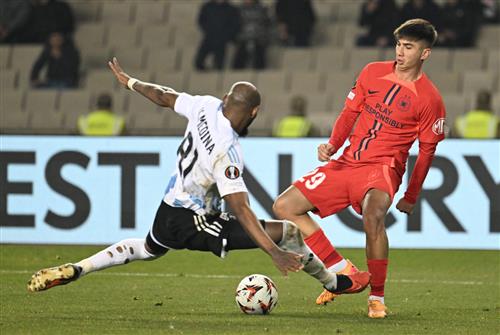
In the dynamic world of sports betting, terms like PK can often confuse newcomers and even seasoned bettors. If you’ve ever wondered what PK stands for and how it influences your wagering strategy, you’re in the right place. This comprehensive guide dives deep into PK in betting, offering expert insights to enhance your understanding and improve your betting decisions. Whether you’re betting on football, soccer, or other sports, mastering PK can give you an edge.
What Does PK Stand For in Betting?
PK in betting is a shorthand term that originates from ‘pick ’em’ or ‘pick.’ It refers to a type of bet where there is no point spread or handicap assigned to either team. Essentially, it’s a straight-up wager where the odds are even, and you’re simply picking the winner without any advantages or disadvantages factored in. This concept is prevalent in various sports, but it’s most commonly associated with American football and soccer betting.
Understanding PK is crucial because it levels the playing field. In traditional point spread betting, one team is favored with a handicap, but PK eliminates that, making it a pure test of which team will win outright. For example, if two evenly matched teams are playing, bookmakers might set a PK line to reflect the lack of a clear favorite. This can lead to more competitive odds and potentially higher payouts for bettors who accurately predict the outcome.
From an SEO perspective, searches for ‘pk in betting’ often stem from users seeking clarity on this term. As a seasoned expert, I’ve seen how misunderstanding PK can lead to poor betting choices. Always check the context, as PK can sometimes refer to ‘penalty kick’ in soccer-specific bets, but in general betting parlance, it’s about the pick ’em scenario.
How PK Betting Works in Different Sports
PK betting isn’t one-size-fits-all; its application varies across sports. Let’s break it down by popular categories to provide actionable insights.
PK in Football Betting
In American football, PK lines are common when teams are closely matched, such as in high-stakes games like the Super Bowl qualifiers. Here, the bet is on which team wins, with no points added or subtracted. For instance, if the odds are listed as Team A PK -110 and Team B PK -110, a $110 bet on either would win $100 if that team prevails. This format encourages bettors to focus on team performance, injuries, and historical data rather than spreads.
Practical tip: Analyze recent form and head-to-head records. If a team has a strong defense, they might be a safer PK pick against an offensive powerhouse.
PK in Soccer Betting
Soccer often uses PK in the context of Asian handicaps or draw-no-bet scenarios. A PK bet in soccer might mean betting on a team to win, with the stake returned if it’s a draw. This reduces risk compared to standard win-draw-win bets. For example, in a Premier League match, a PK line could offer better value on underdogs.
Expert insight: In soccer, where draws are frequent, PK bets can be advantageous. Use statistics like expected goals (xG) to inform your choices, aiming for matches with low draw probabilities.
Advantages, Strategies, and Considerations for PK Betting
One of the primary benefits of PK in betting is its simplicity. Without spreads, it’s easier for beginners to grasp, yet it offers depth for experts through strategic layering with parlays or props. Considerations include higher vig (bookmaker’s commission), often around -110, so shop lines across platforms for the best value.
Actionable advice: Start with small stakes on PK bets to build confidence. Combine with research tools like injury reports and weather impacts, especially in outdoor sports. A key strategy is fading the public—bet against heavily favored teams in PK scenarios where hype inflates odds.
To illustrate differences, here’s a comparison table:
| Aspect | PK Betting | Point Spread Betting |
|---|---|---|
| Definition | No handicap; pick the winner | Handicap applied to favorite |
| Risk Level | Moderate, even odds | Higher, must cover spread |
| Best For | Even matchups | Clear favorites/underdogs |
| Payout Potential | Standard, around even money | Can be higher with underdogs |
| Example | Team A PK vs. Team B | Team A -3 vs. Team B +3 |
This table highlights why PK might suit conservative bettors, offering a balance of risk and reward. As an expert, I recommend tracking your PK bets over a season to identify patterns, such as success rates in specific leagues.
Expert Tips and Common Mistakes to Avoid
To maximize success with PK in betting, incorporate data-driven approaches. Use analytics platforms to review team stats, and consider live betting for PK adjustments mid-game. A common mistake is emotional betting—stick to facts, not fandom.
Benefits extend to portfolio diversification; mixing PK with other bet types can hedge risks. However, always gamble responsibly, setting limits to avoid chasing losses. In my decade of experience, I’ve seen bettors thrive by treating PK as a foundational strategy, building from there to more complex wagers.
Summary: In conclusion, PK in betting represents a straightforward yet powerful wagering option, ideal for even contests in sports like football and soccer. By understanding its mechanics, leveraging strategies like data analysis, and avoiding pitfalls such as emotional decisions, you can enhance your betting acumen. Remember, successful betting combines knowledge with discipline—use this guide to inform your next PK wager and bet smartly.